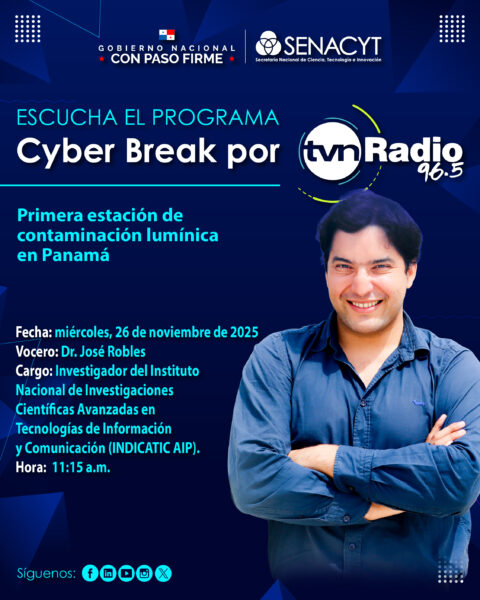
First light pollution station in Panama: integrating remote and terrestrial techniques
INDICATIC AIP :Research :First light pollution station in Panama: integrating remote and terrestrial techniques
Overview
Data collection and monitoring
Publications
Duration
Funding
Talks & Presentations
Fieldwork
Public campaigns
Public Policies
Instrumentation
Github
Team
Contact
The project develops the first monitoring network for light pollution and atmospheric conditions across the Panama Canal watershed. Its central objective is to characterize how artificial light at night is scattered and amplified within the tropical atmosphere, and how these changes in nocturnal illumination may influence, based on prior scientific evidence, ecological processes (nocturnal pollinator activity and nocturnal plant physiology).
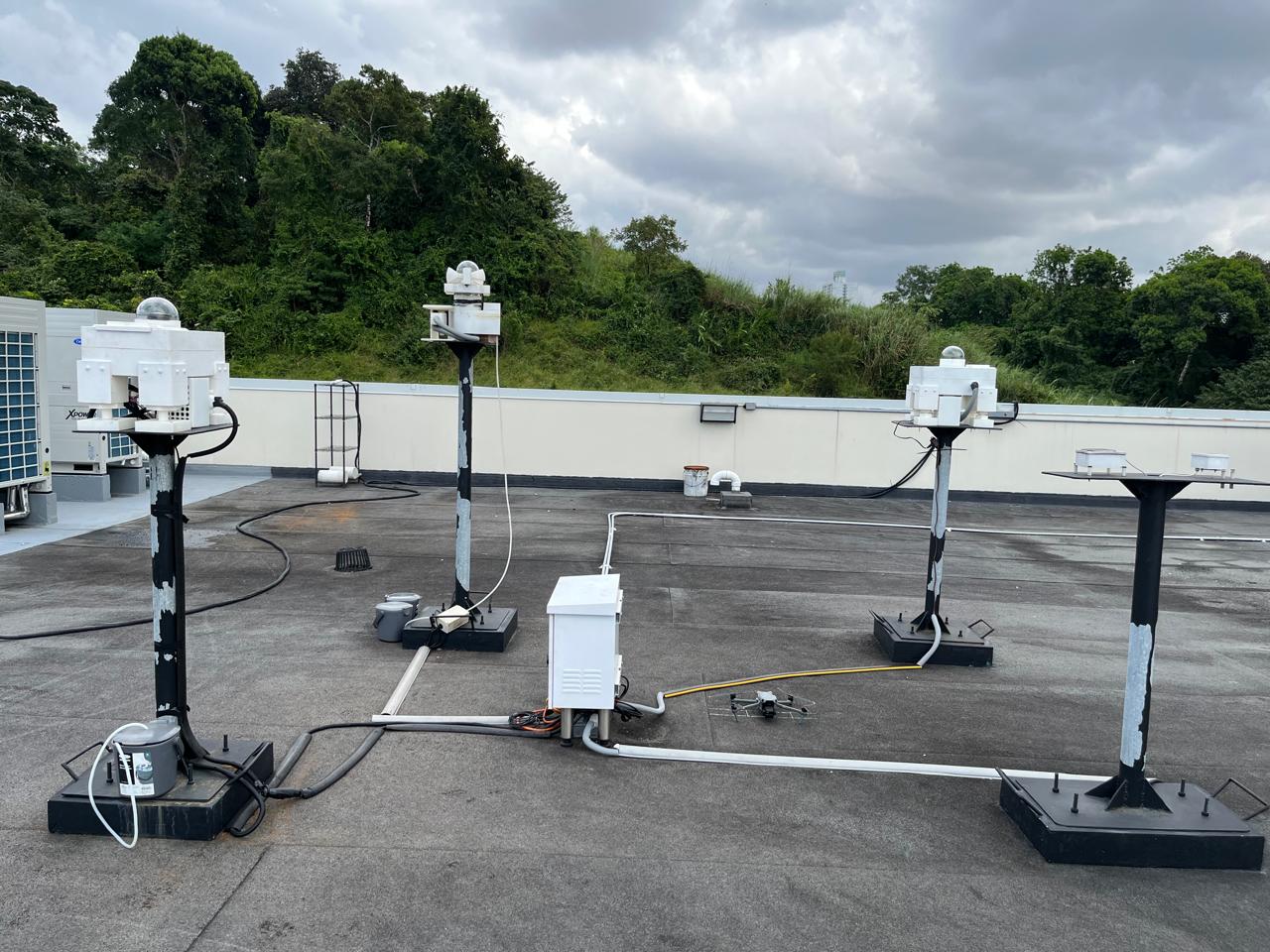
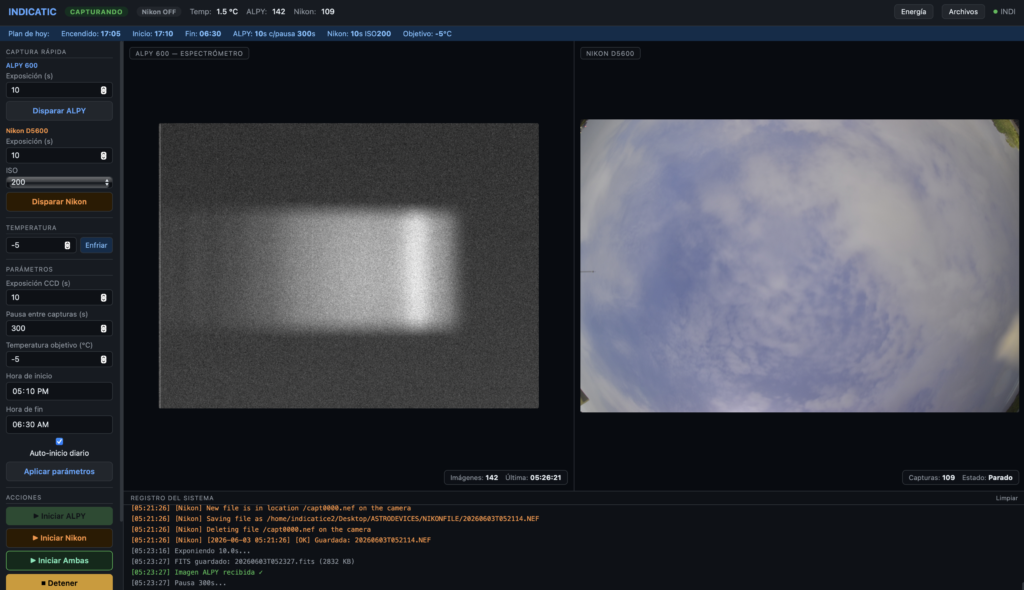
The initiative combines high-precision ground-based instrumentation (multichannel photometers, spectrometers, all-sky cameras, atmospheric sensors) with remote-sensing data from the International Space Station (ISS) and other airborne and satellite campaigns.
Stations
Installed:
Pacific: INDICATIC – UTP
Future stations:
Gamboa – Smithsonian, STRI
Colón
Location
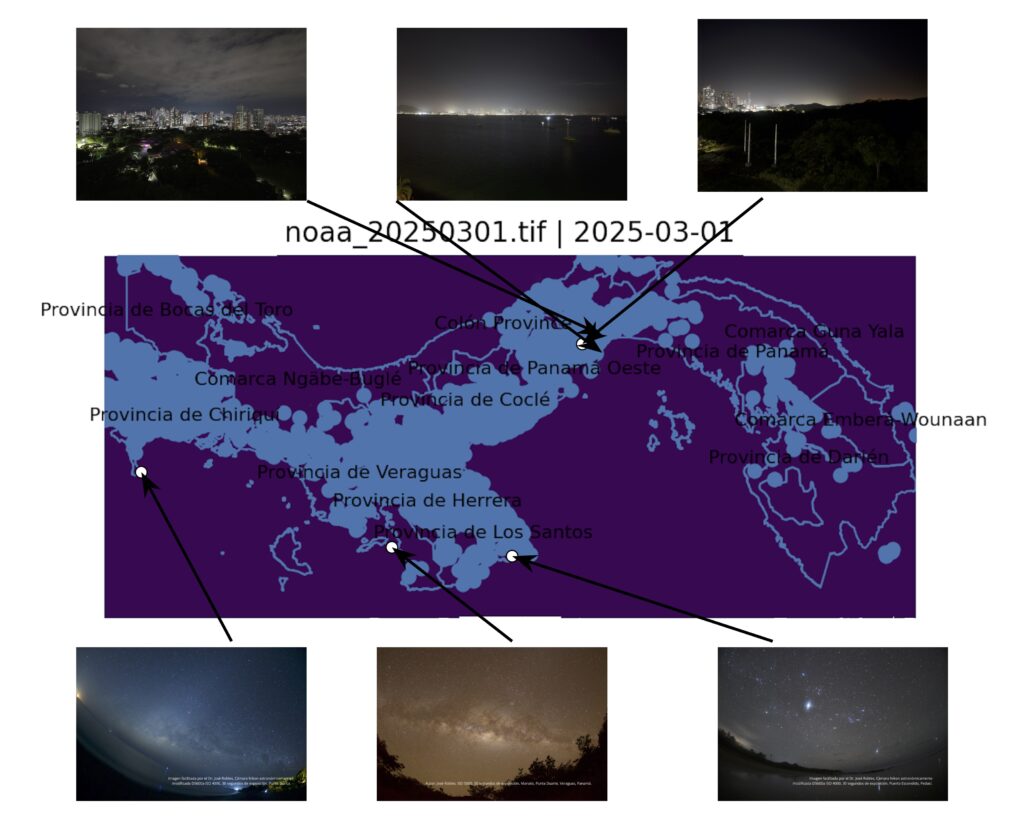
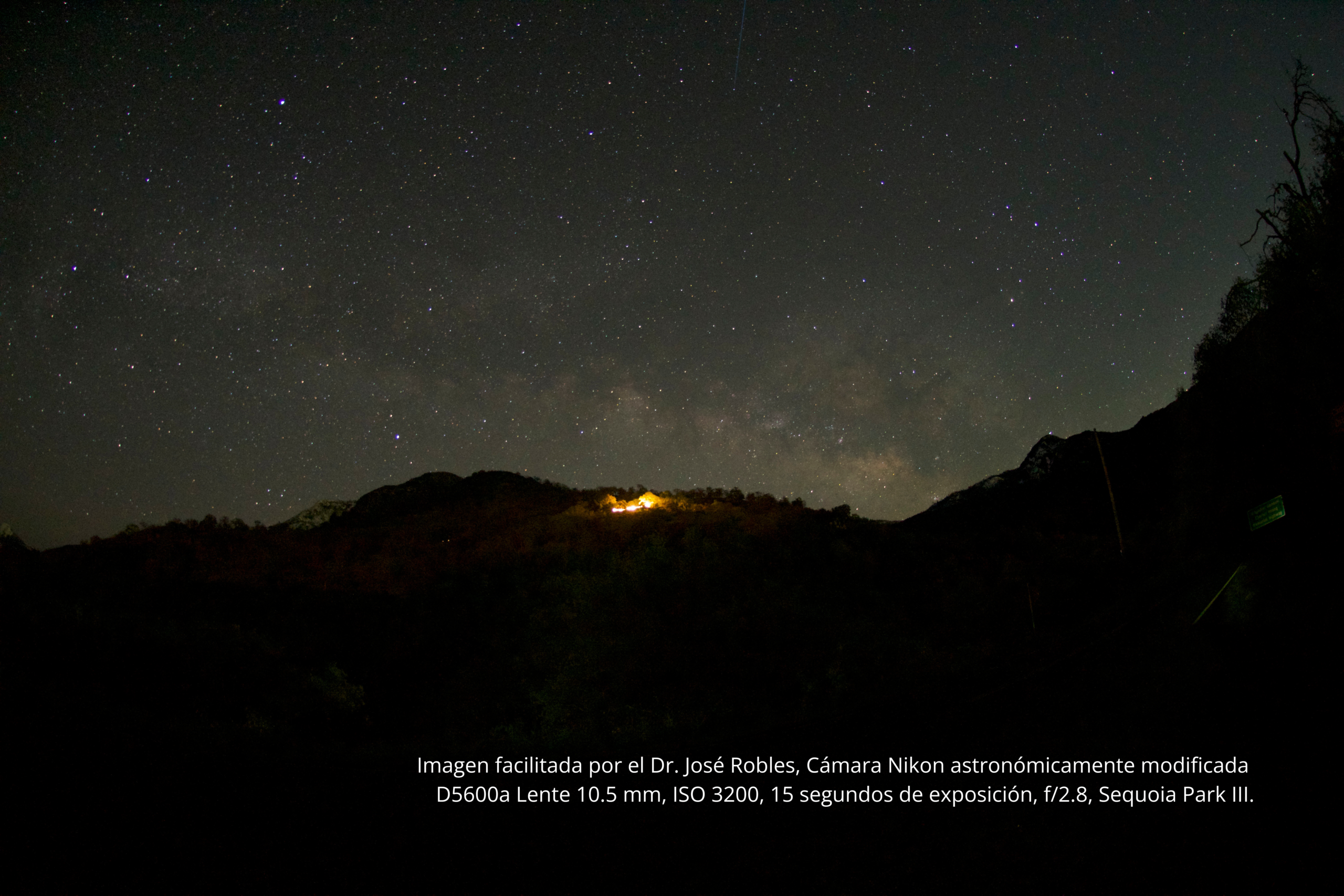
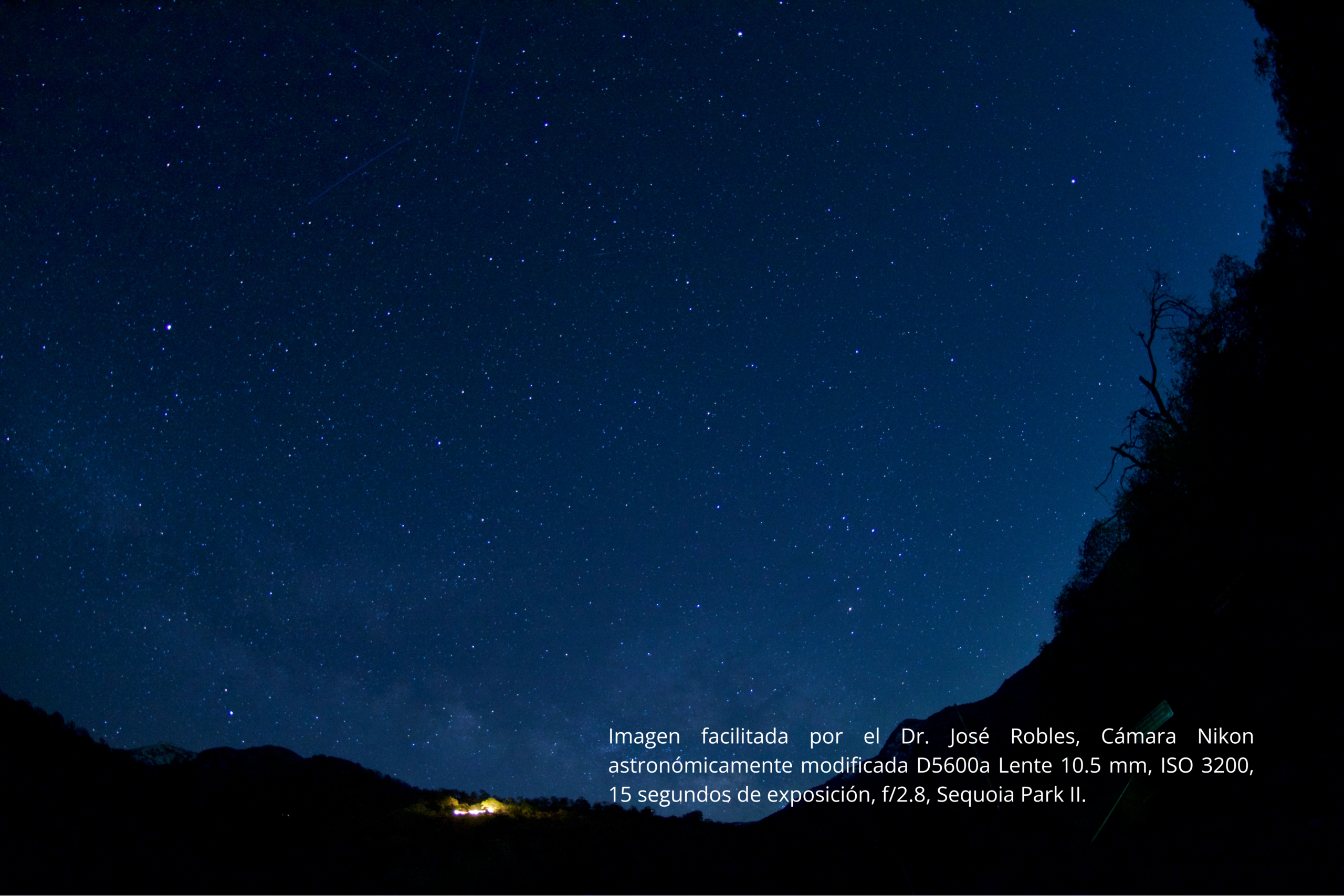
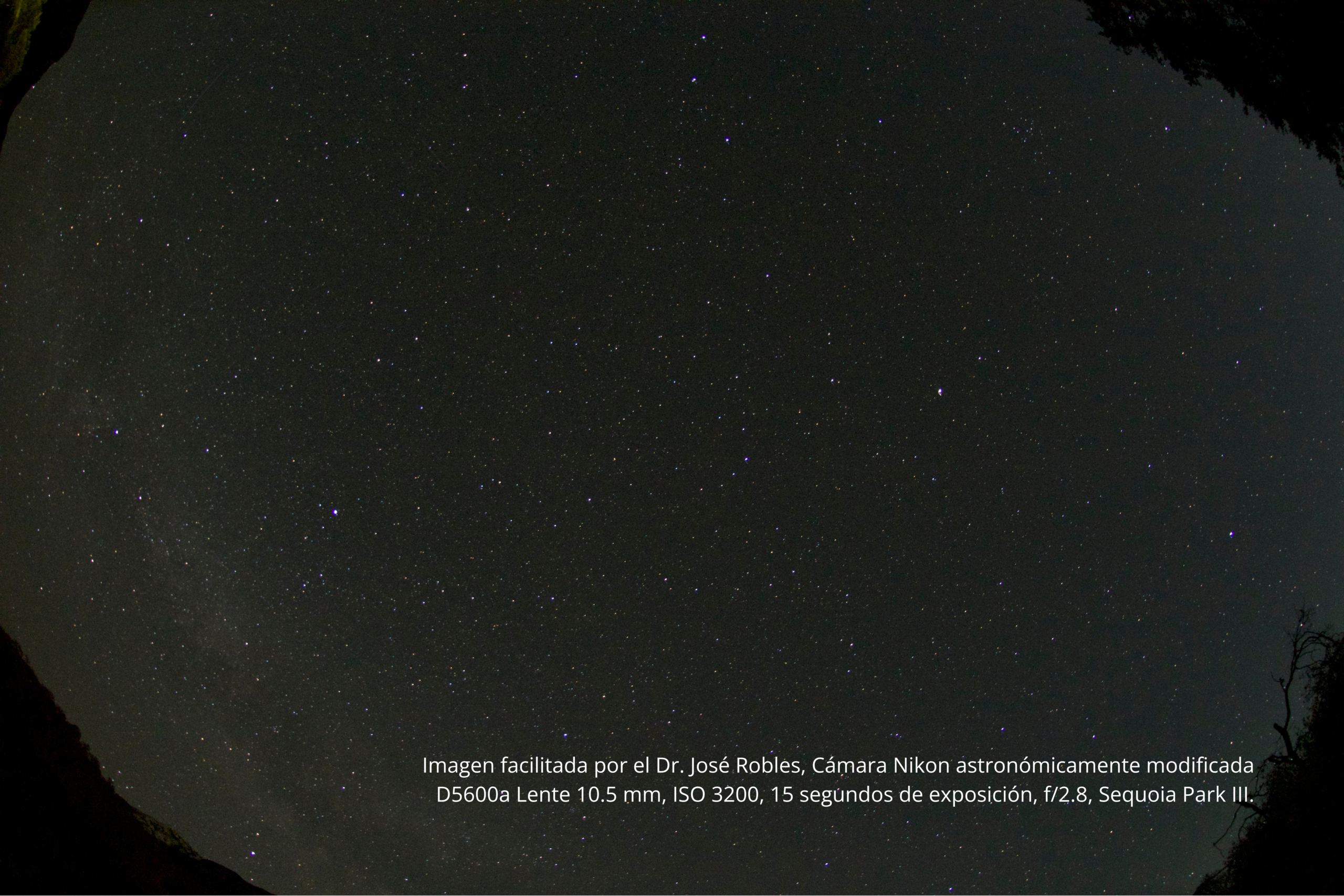
Light-polluted sites. Light pollution map of Panama using VIIRS data and Milky Way viewing sites.
In the route of the Panama Canal: 1) Caribbean entrance, 2) intermediate point (Gamboa) and 3) Pacific.
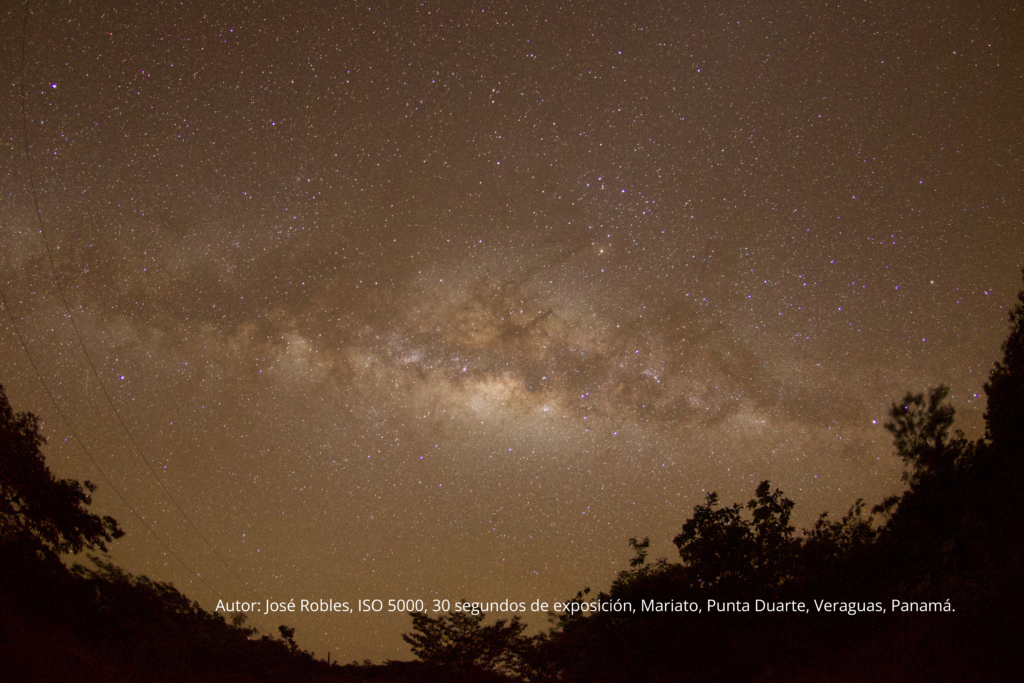
Punta Duarte, Veraguas, Mariato
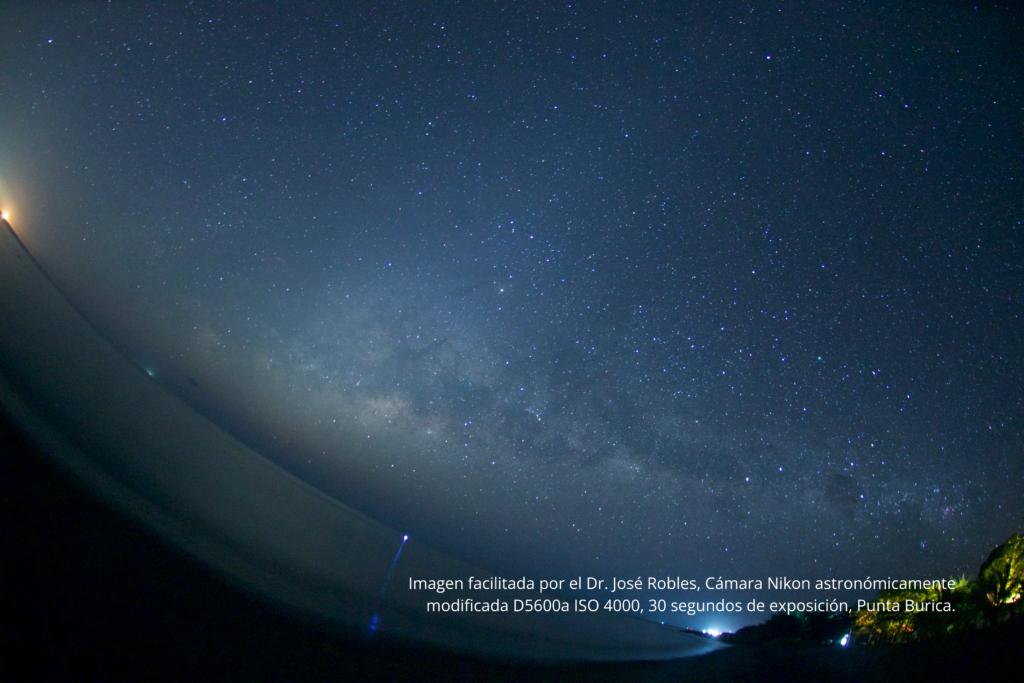
Punta Burica, Chiriquí, near Petroterminales de Panamá (PTP).
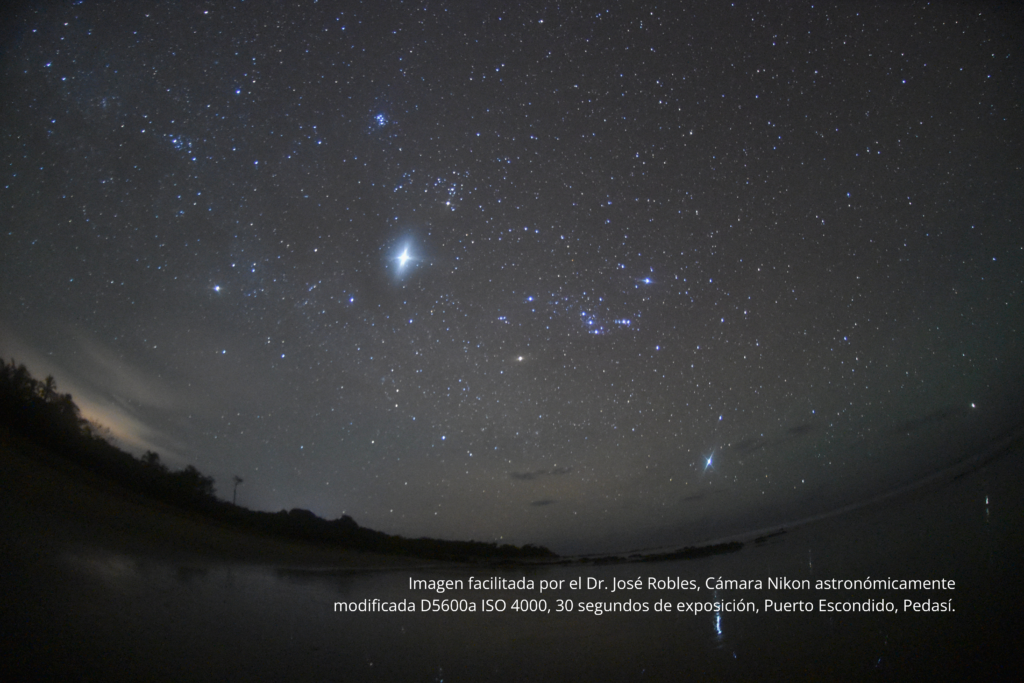
Puerto escondido, Pedasí
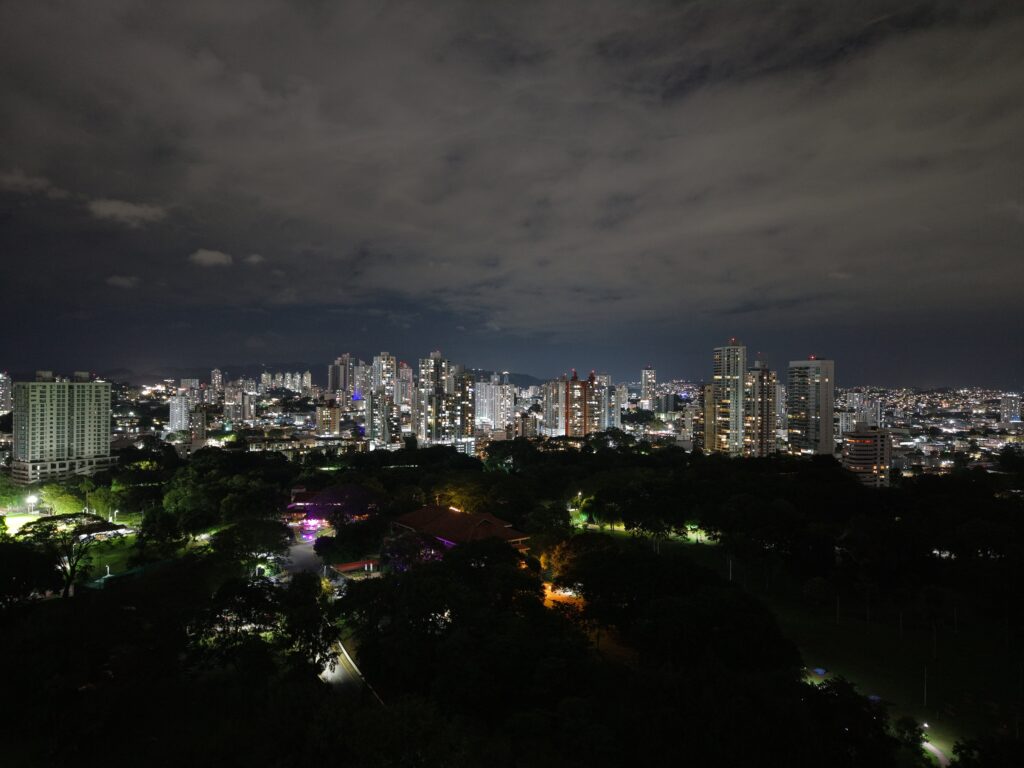
Light pollution at Panama City
Collaborations
Smithsonian Institution, Technological University of Panama, and Municipality of Panama.
Work Team
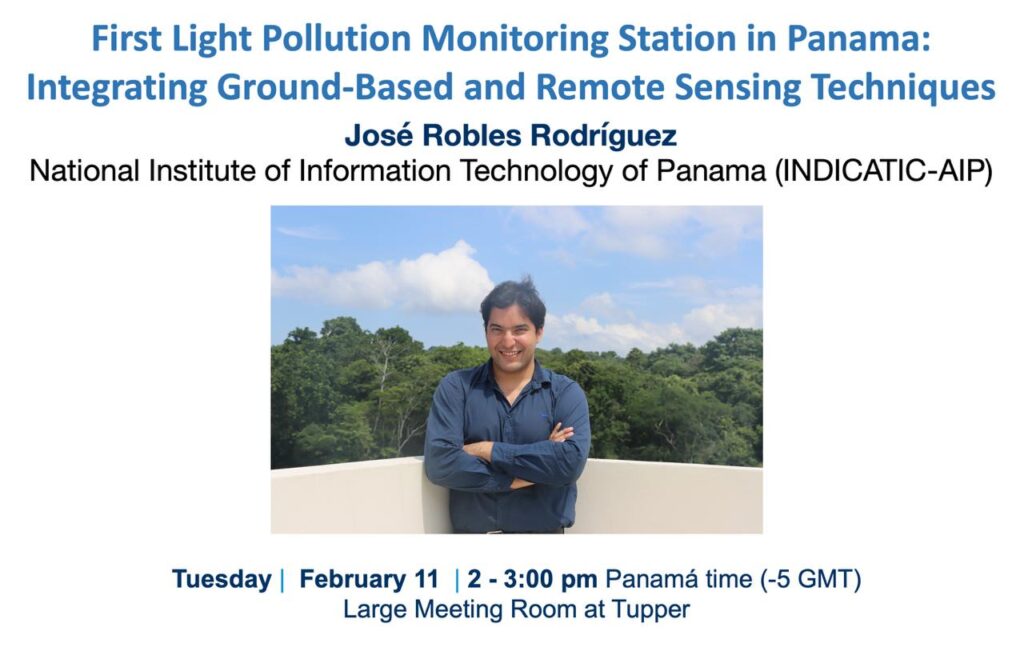
My name is José Robles and I am the project manager of the first light pollution station in the Republic of Panama. We study the brightness and color of the night sky along the Panama Canal watershed using high precision photometric and spectrometric measurements.
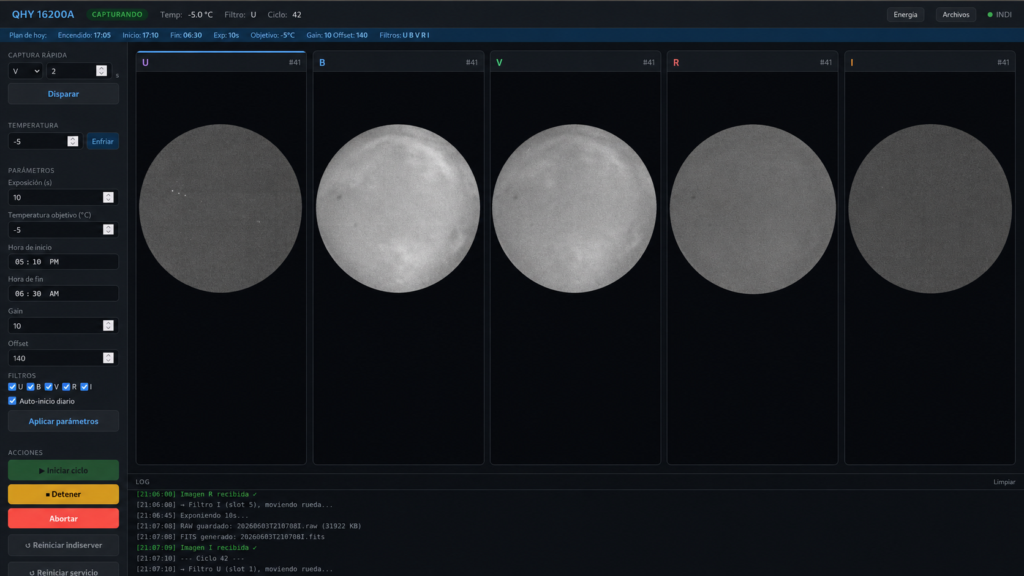
We work with professional instrumentation: astronomical cameras in Johnson U, B, V, R and I bands, four-channel photometers, spectrometers and our own acquisition systems. We design and build our own hardware, including mini-domes for tropical climates and electronic circuitry made in Panama.
Nuestro objetivo es entender cómo la luz artificial nocturna, medida en múltiples longitudes de onda, altera la actividad de polinizadores nocturno.
Dr. José Robles, principal investigator of the project at INDICATIC AIP
My name is Kevin Chaw. I am an electronics engineer, laboratory manager, and electronics specialist on the light pollution project in Panama. I coordinate the use of monitoring instruments, and I am also responsible for PCB design and 3D modeling for the development of tools that assess the environmental and social impact of light pollution.
Kevin Chaw, Lab Manager at INDICATIC AIP
My name is Katherine Gálvez L. I am an Electrical and Electronics Engineer and Technical Assistant at INDICATIC AIP. Within the Light Pollution Project, I have contributed to the design and printing of 3D models and electronic circuit boards, as well as the fabrication and assembly of low-cost sensors.
Katherine Gálvez, Technical Engineering Assistant at INDICATIC AIP
My name is José Jaén, I am a software development engineer. In the project of the first light pollution monitoring station in the Panama Canal watershed, I develop scientific controllers in operating multiplatforms and communications systems for photometric and spectrometric instrumentation. Additionally, I collaborate in 3D printing for the adaptation of light-sensitive sensors to tropical latitudes.
The first internal nighttime lighting-management measures at the research building of the Technological University of Panama, based on photometric criteria and scientific evidence. This advance represents an initial step toward the future adoption of good practices and guidelines for nighttime lighting at the institutional and, potentially, national level.
Robles, J., Zamorano, J., & Pascual, S. (2026). Multi-band zenith amplification factor of Madrid night sky brightness under overcast conditions.Journal of Quantitative Spectroscopy and Radiative Transfer, 355, Article 109886. See here
Robles Rodríguez, J. L. (2022). The Evolution of light pollution using measurements of night sky brightness and color in Madrid [Doctoral thesis, Universidad Complutense de Madrid]. Docta. See here
International Dark-Sky Association Pittsburgh Chapter (2021). Blue skies over Madrid, but not during the day.
Robles, J., Zamorano, J., Pascual, S., Sánchez de Miguel, A., Gallego, J., & Gaston, K. J. (2021). Evolution of Brightness and Color of the Night Sky in Madrid. Remote Sensing, 13(8), 1511. See here
Supervised work
Title: Interoperability, cryptography and télécommunication de la première station de light pollution monitoring in panama
Author: Alexandre Olivié
University: École Nationale Supérieure d'Électronique, Informatique, Télécommunications, Mathématique et Mécanique de Bordeaux
ENSEIRB-MATMECA of Bordeaux INP (Institut National Polytechnique Bordeaux).
Study center: Telecommunication - option networks, security and connected object
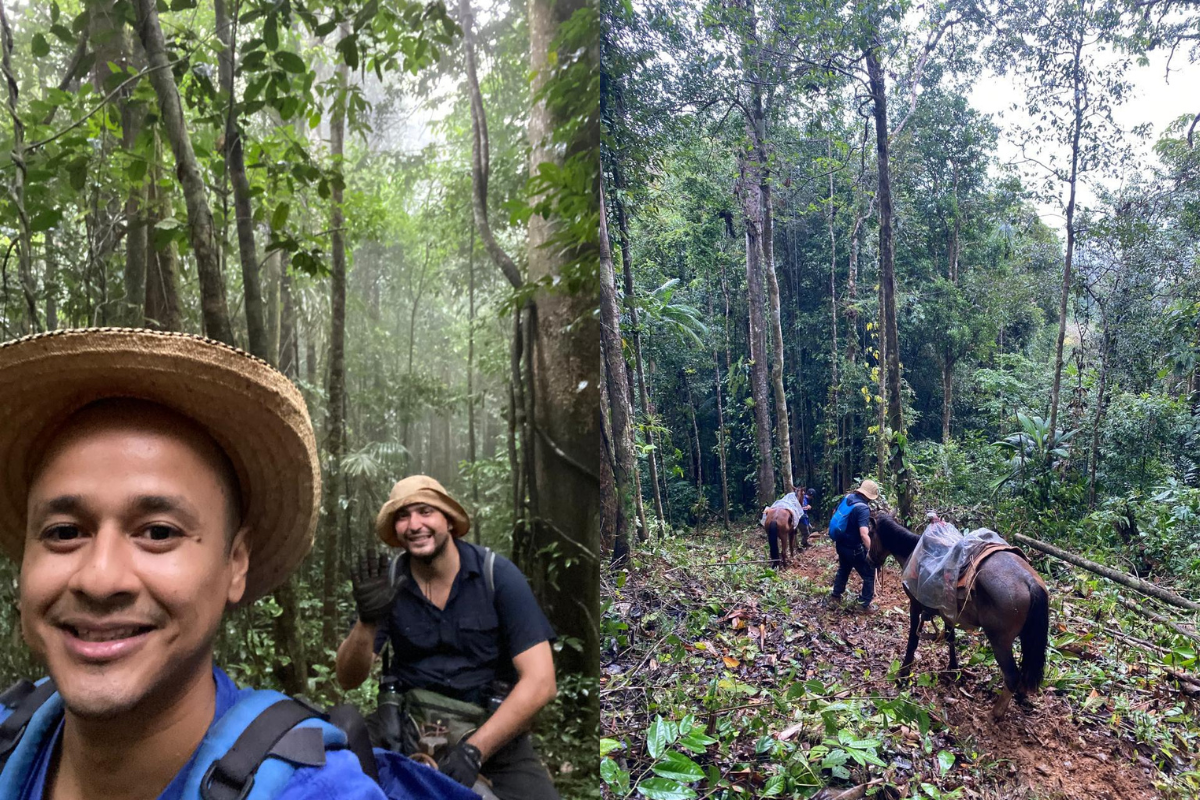
This series of photographs documents the scientific expedition to the Sierra Llorona mountain range, an ecosystem of vital importance for light pollution monitoring in Panama. With the special participation of Dr. Agustín Guerra and Dr. Alexis Baúles Aguilar in 2024.